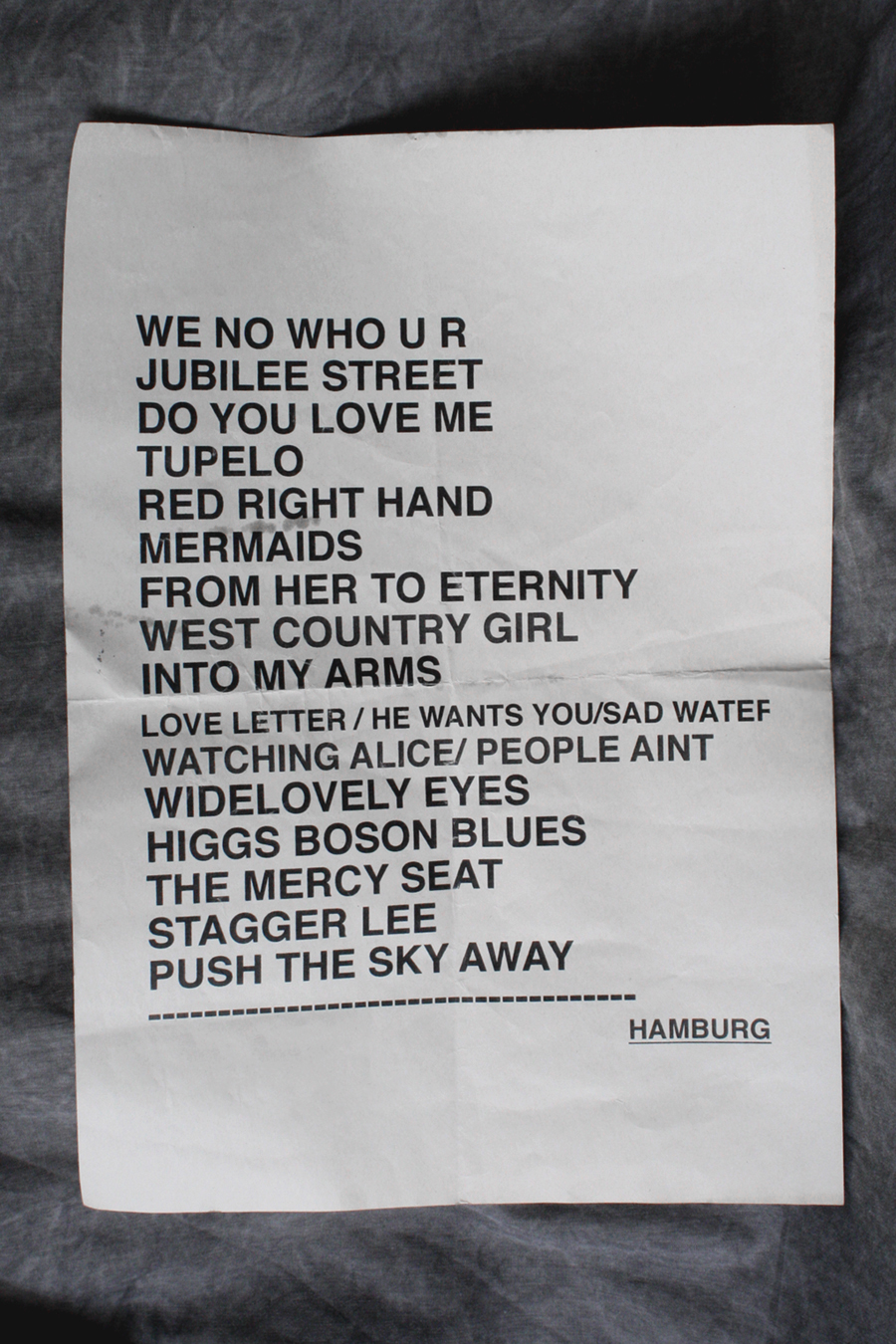
We No Who U R Jubilee Street Do You Love Me? Tupelo Red Right Hand Mermaids From Her To Eternity West Country Girl God Is In The House Watching Alice Into My Arms Higgs Boson Blues The Mercy Seat Stagger Lee Push The Sky Away
Encore:
We Real Cool Papa Won’t Leave You, Henry Jack The Ripper Deanna (on request) Give Us A Kiss
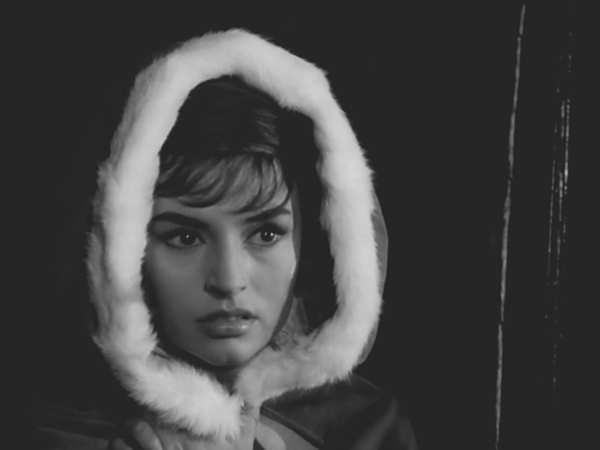
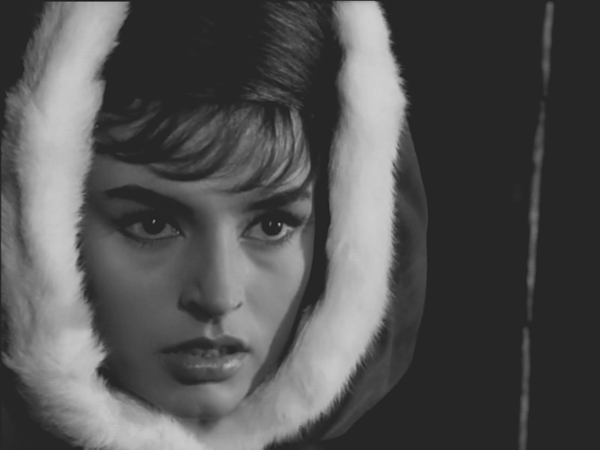
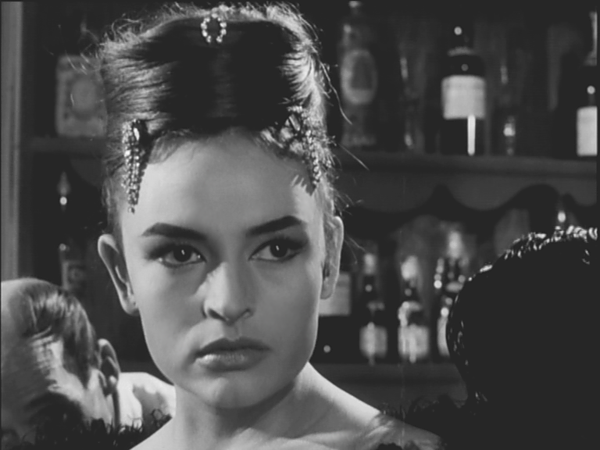
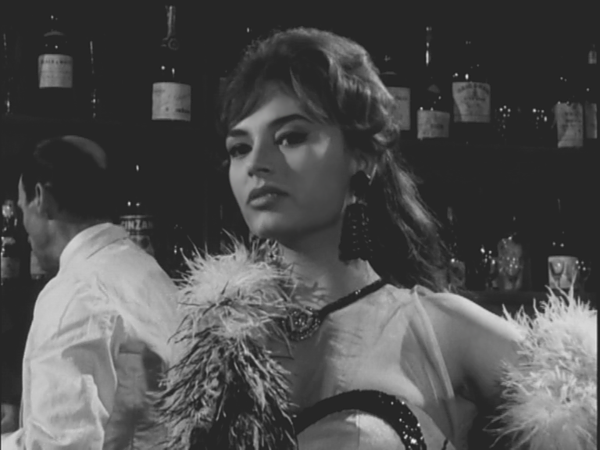
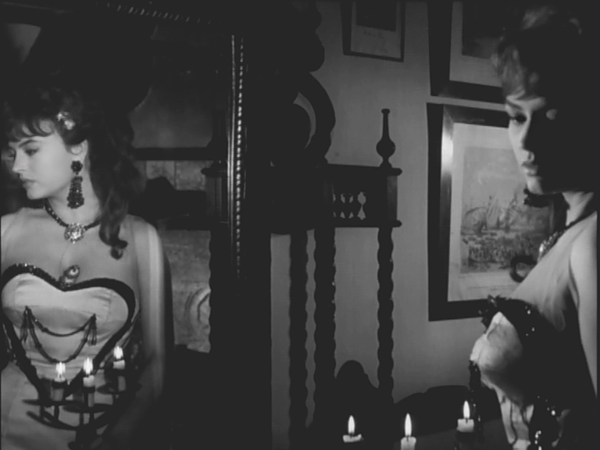
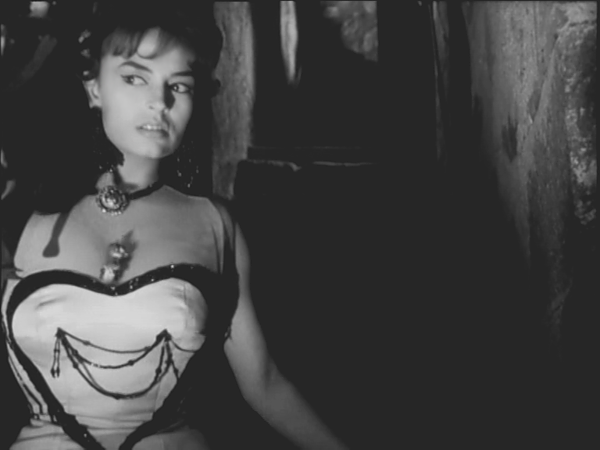
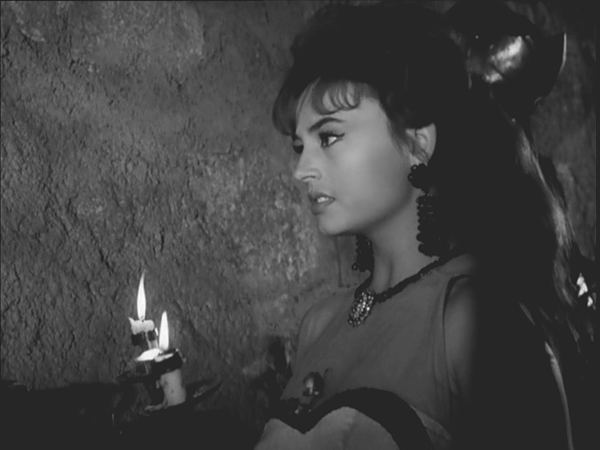
Uh, yes. :) Guilty, Your Honour. Übrigens tatsächlich einer der atmosphärischsten S/W-Filme jener Zeit, sehr schön und spooky, Franco war ja durchaus ein Meister der cinematography, auch wenn er diese Meisterschaft später zugunsten… uh… anderer Prioritäten… etc. :) Diana Lorys ist dann später noch einmal sehr beeindruckend (anders beeindruckend) in einem weiteren Jess Franco-Film, „Nightmares Come At Night“. Der in ganz besonderem Maße Francos Talent zu einzigartiger, unverständlicher, unvergeßlicher Schönheit kombiniert mit Szenen, die, filmtechnisch, eine echte Belastung darstellen für das Nervensystem auch des Verständnisvollsten.
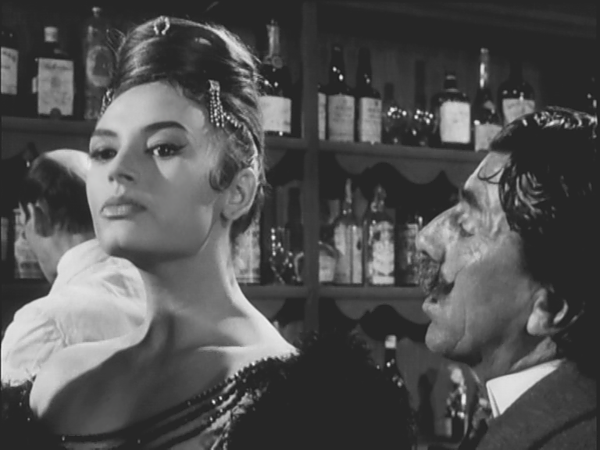
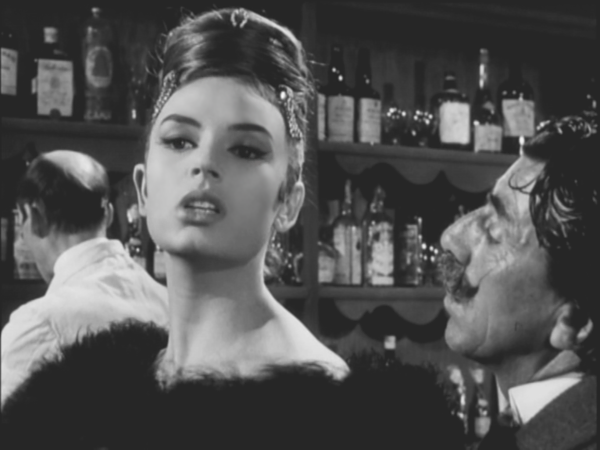
Wie Franco in dieser einen Szene aus „Der Teufel kam aus Akasava“ Soledad Miranda hinterherschaut, das ist vielleicht der Schlüssel zum ganzen Franco. Diese Schönheit in meinem Film, heilige Hölle. Das sagt dieser Blick, und: für diese Schönheit unternehme ich, was in meiner Macht steht, kinky, fetischistisch, bizarr, bonkers, aber zum Teufel nicht durchschnittlich und langweilig.
„Küss mich, Monster“, völlig ditzy, als Film kaum erkennbar, hat – neben der rasanten Version von „Sock It To’Em J.B.“ von Rex Garvin & The Mighty Cravers (kannte vorher nur die Specials-Version) – auch so eine Szene: Franco in seinem Cameo als… hm… wird von hinten erschossen und läßt sich, die Arme hochwerfend, von Janine Reynaud und Rosanna Yanni auffangen. Hätte ich auch so gemacht. :) Leaving the building, going to Max Schreck-Land. :) See you later.
10.10.2014
Anonym:
Was macht eigentlich die klimpernde Dame. Can’t she get no satisfaction?
Antirationalistischer Block / Christian Erdmann:
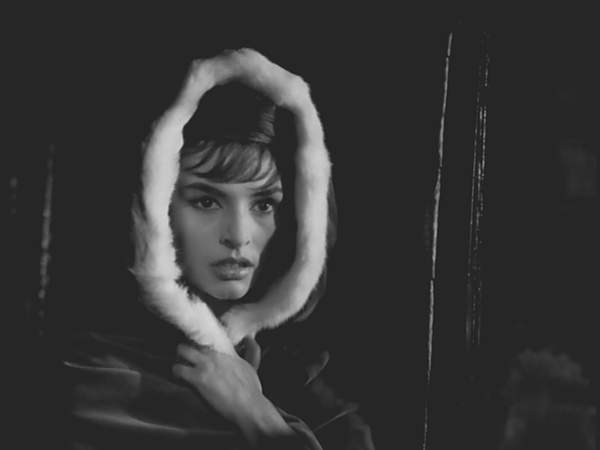
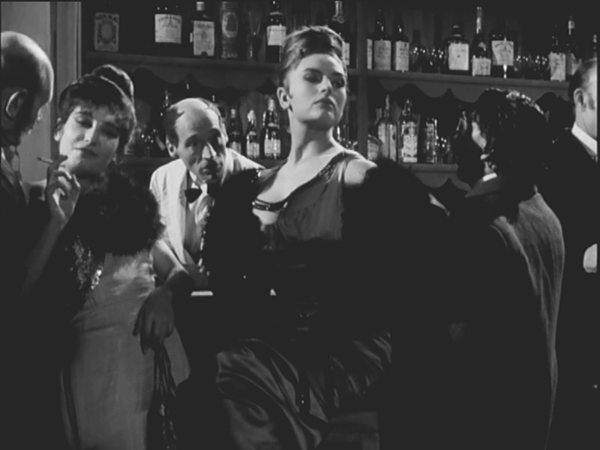
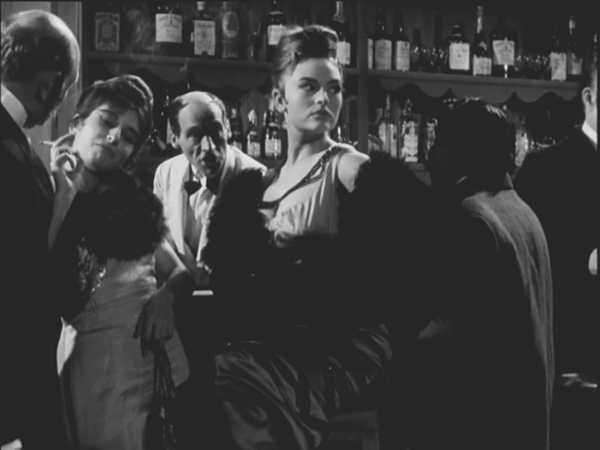
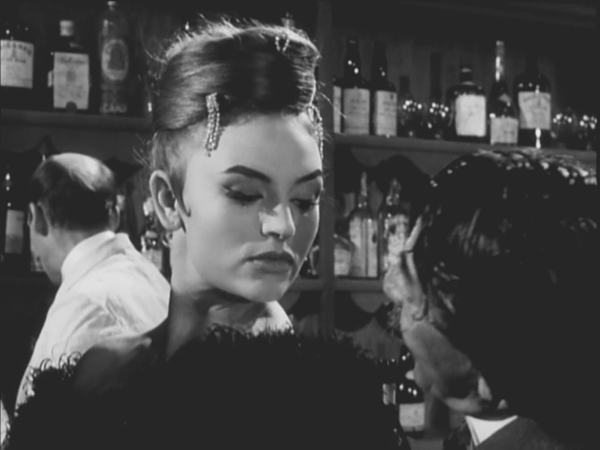
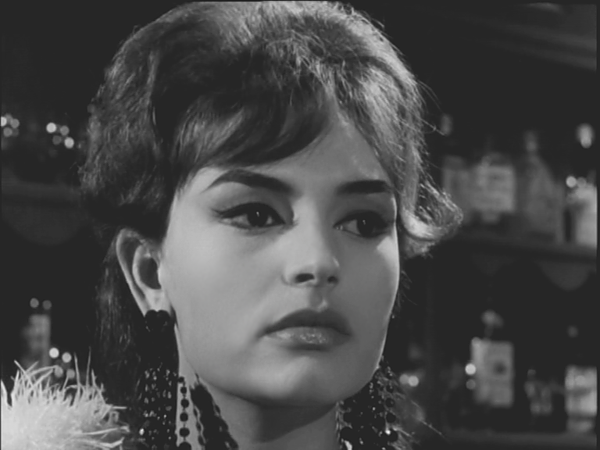
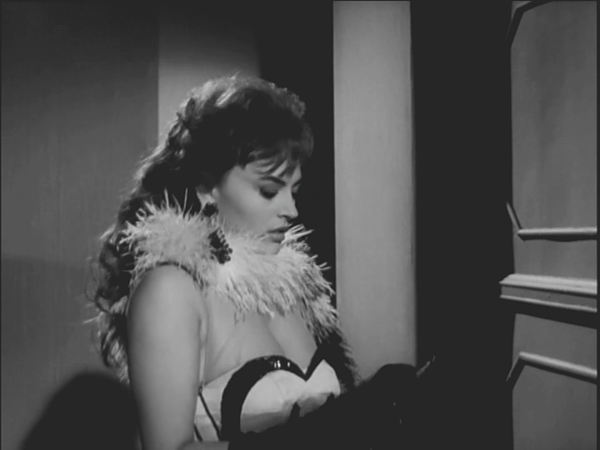
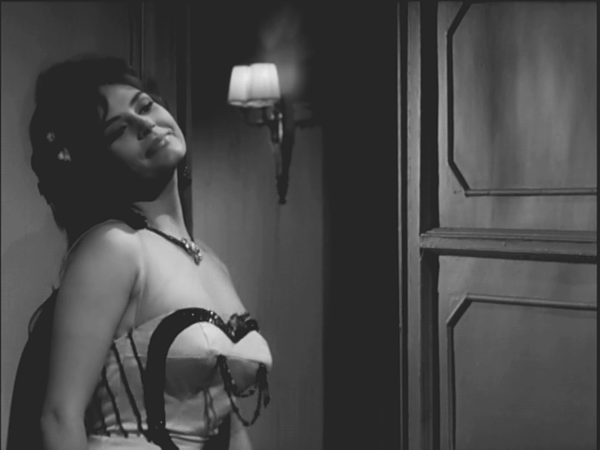
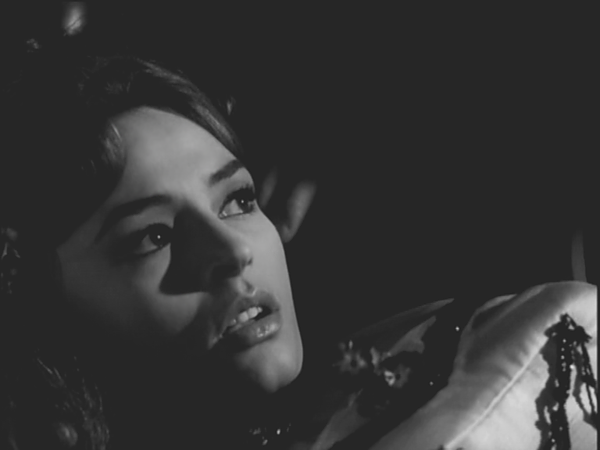
Mad Scientist-Thema. Howard Vernon als Dr. Orloff ist ein Entführer schöner Nachtclub-Damen. Um das durch Feuer entstellte Gesicht seiner Tochter neu erschaffen zu können, entfernt er den Damen die perfekte Haut. Referenz: der phantastische Les yeux sans visage von Georges Franju. Orloff hat einen furchterregenden, ihm sklavisch ergebenen Gehilfen mit sehr eigener Geschichte namens Morpho. Es gibt in nahezu jedem guten Jess Franco-Film einen Morpho. Inspector Tanner wird auf den Fall angesetzt. Diana Lorys ist Wanda Bronsky, Tanners Ballerina-Freundin, die sich, als sie Tanner investigativ unterstützt, selbst in höchste Gefahr begibt. Can’t she get no satisfaction? Kann schon sein. Wird nicht so recht klar, was sie an Tanner findet.
Bizarrer und wundervoller Film, aber Vorsicht vor Jess Franco. Kulturell verdammte, fetischistische Faszination in abgründigen Kontexten. I don’t give a damn about my bad reputation. Or his. :)
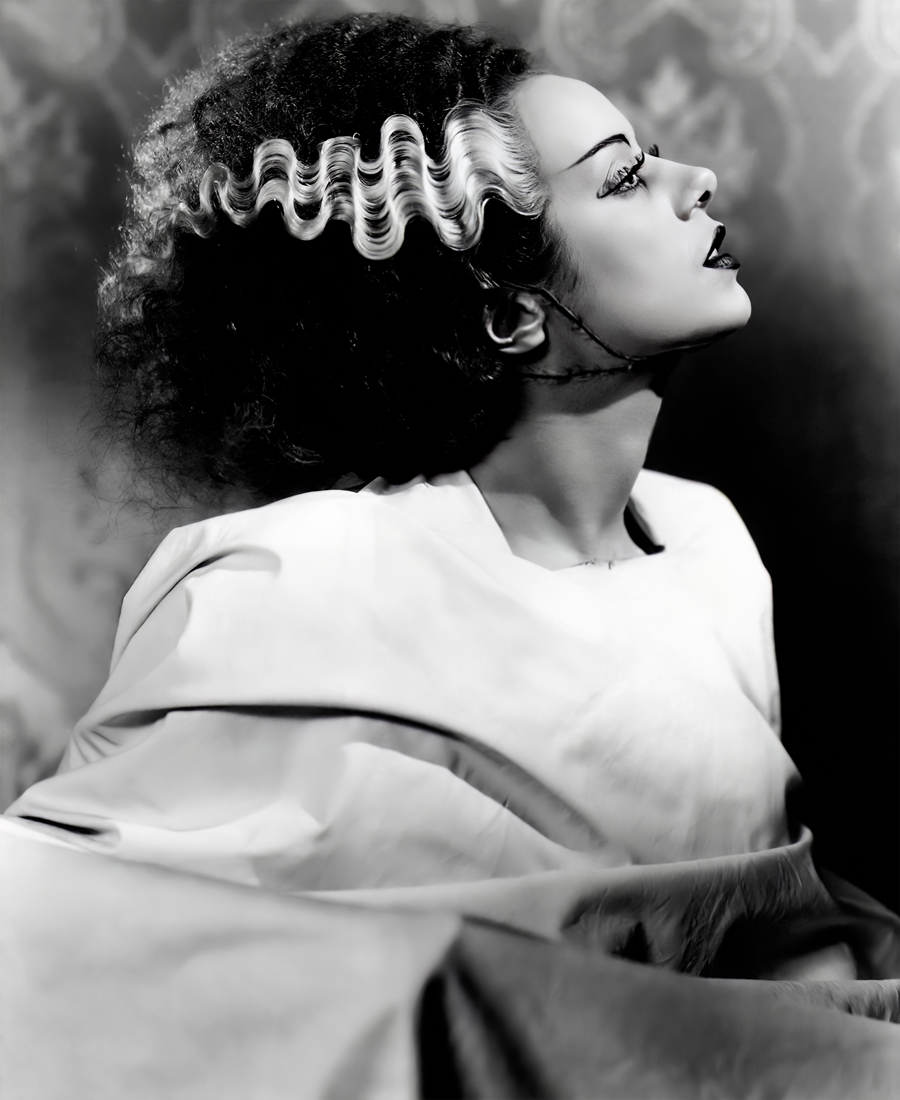
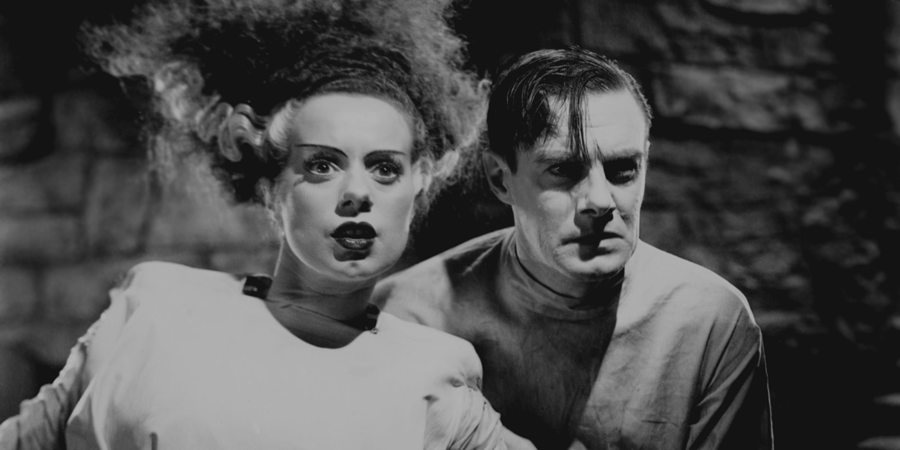
Eine der schönsten Szenen der Filmgeschichte: Elsa Lanchester als „Bride of Frankenstein“, als Karloff erscheint und sich ihr mit klumpiger Zärtlichkeit nähern will; wie sie sich, kaum zwei Minuten in der Vertikalen, schon ganz enragierte Lady, Colin Clive / Frankenstein zuwendet mit diesem „Was soll das heißen! Was hast du dazu zu sagen? Rechtfertige dich!“-Blick… grandios, einfach brillant.
Cugel:
Sehr schön beobachtet und beschrieben! Ich habe mich noch immer nicht ganz erholt von der Erheiterung über den theatralisch-pathetischen Ausbruch des den ganzen Film über ja eher düster-grummeligen Dr. Pretorius ein paar Augenblicke zuvor: „THE BRIDE OF FRANKENSTEIN!!“
Christian Erdmann
Ja, auch wunderbar! Thesiger war auch so ein Exzentriker vor dem Herrn, ich liebe diese Anekdote über ihn, als er in einer Londoner Bustür eingeklemmt dem Fahrer zuruft: „Stop! Stop! You’re killing a genius!“ – Whale wollte zuerst keinen „Frankenstein“-Nachfolger machen, hat ihn dann doch gemacht, weil er ihn zu seinen Bedingungen machen konnte. Und das beinhaltete dann, bei all der bestechenden Qualität, die auf jeder Ebene in diesem Film zu bewundern ist, auch eine beträchtliche Lust, over the top zu gehen – vielleicht genau das, was den Film unter all den bezaubernden Universal-Klassikern nochmal hervorhebt.
Elsa Lanchester hat sich zu ihrem legendären swan hiss tatsächlich von mißgelaunten Schwänen im Regent’s Park inspirieren lassen. :)
Cugel:
Eben zufällig beim Stöbern herausgefunden: Elsa Lanchester spielte auch die Miss Marbles in „Murder by Death“ (Eine Leiche zum Dessert), meine Allzeitlieblingskrimikomödie und der erste Film, den ich in den 80ern auf Video aufzeichnete. Nach einem runden dutzend Mal Anschauen habe ich irgendwann aufgehört zu zählen, interfamiliäre Konversation fand nur noch mittels Dialogzeilen aus dem Film statt.
Gerade fällt mir noch ein: als Dick Charleston alias David Niven nach der Ankunft mit seiner Frau Dora das Gästezimmer betritt, ergreift er eine vermeintliche Spielzeugmaus, um dann erschrocken auszurufen: „Sie lebt!“ (Kann mich leider nur an die Synchronfassung erinnern, die Originalszene finde ich nicht im Netz) Ich fresse einen Besen, wenn das keine Anspielung auf Elsa Lanchester war!
Christian Erdmann:
Ah! Ich liebe sie auch als Miss Plimsoll, die Nurse für Sir Wilfrid / Charles Laughton in „Zeugin der Anklage“, wo sie mit ihrer unerbittlichen Fürsorge den ohnehin schon grummeligen Real Life-Husband in Verzweiflung stürzt, grandiose Dialogsequenzen galore. – Die Frau war ja nur knapp über 160 cm, aber als „Bride“ wirkt sie ca. 2 m groß. :) Diese B-Filme haben permanent auf allen möglichen Ebenen ziemlich wagemutige Dinge getan, schon dafür liebe ich sie. Ich meine, Dr. Pretorius in „Bride of Frankenstein“: „… if you like your bible stories.“ – 1935 war das ein ziemlich blasphemischer Punch.
[SPIEGEL ONLINE Forum Lieblingsfilme – was ist „großes Kino“?]
Elsa Lanchester, Herself, New York 1983, p. 133 ff:
There were two parts for me in The Bride of Frankenstein. In the opening scenes, I played Mary Wollstonecraft Shelley, dressed extremely elegantly, sweeter than sugar.
In this prologue, Mary Shelley’s dress was the most fairy-like creation that I have ever seen before or since in a film. It had a low neck, tiny puffed sleeves, and a bodice that continued in a long line to the floor and onto a train about seven feet long. The entire white net dress was embroidered with iridescent sequins – butterflies, stars, and moons. It took seventeen Mexican ladies twelve weeks to make it.
It was James Whale’s idea that, later in the film, Dr. Frankenstein’s second creation, the strange and macabre female monster, should be played by the same actress. Quite a contrast to the sweet and dainty Mary Shelley. We shot the prologue first, and it took only two or three days. Then I worked another week or ten days as the Monster’s Bride.
I think James Whale felt that if this beautiful and innocent Mary Shelley could write such a horror story as Frankenstein, then somewhere she must have had a fiend within, dominating a part of her thoughts and her spirit – like ectoplasm flowing out of her to activate a monster. In this delicate little thing was an unexploded atom bomb. My playing both parts cemented that idea.
Charles had the definite theory that very, very sweet women were tough bitches underneath, and he’d often say in semifun, „Don’t be frightened of Elsa if you find her too honest and she seems bitchy. She’s really, you know, very nice inside.“
Apart from the discomfort of the monster makeup and all the hissing and screaming I had to do, I enjoyed working on the film. I admired Whale’s directing and the waiting-for-something-to-happen atmosphere he was able to create around us. He and Jack Pierce, the makeup man, knew exactly what they wanted, so I didn’t have to do many makeup tests. They had Queen Nefertiti in mind for the form and structure of the Bride’s head.
I’ve often been asked how my hair was made to stand on end. Well, from the top of my head they made four tiny, tight braids. On these was anchored a wired horsehair cage about five inches high. Then my own hair was brushed over this structure, and two white hair pieces – one from the right temple and the other from the left cheekbone – were brushed onto the top.
I was bound in yards and yards of bandage most carefully wound by the studio nurse. I didn’t particularly want to be seen by anyone. Nor did Boris Karloff. We weren’t trying to be secretive. We just didn’t want to be stared at. Poor Boris Karloff! When he ate in the studio commissary, he would cover up his head and shoulders with a piece of butter muslin, lifting it quickly like a curtain to pop some food into his mouth.
Sometimes members of the cast would have tea. After all, many English actors were in the cast. I may have been seen drinking tea, but I drank as little liquid as possible. It was too much of an ordeal to go to the bathroom – all those bandages – and having to be accompanied by my dresser!
A word about the screams and that hissing sound I made to show my anger and terror when rebuffing my groom. Actually, I’ve always been fascinated by the sound that swans make. Regents Park in London has lots of them on the lake. Charles and I used to go and watch them very often. They’re really very nasty creatures, always hissing at you. So I used the memory of that hiss. The sound men, in one or two cases, ran the hisses and screams backward to add to the strangeness.
The poet Shelley had written that „poetry turns all things to loveliness; it exalts the beauty of that which is most beautiful, and it adds beauty to that which is most deformed.“ James Whale seemed to carry out this thought, giving his monsters spiritual beauty and pathos, over and above the horror.
Samuel Rosenberg observed that drownings ran throughout Mary Shelley’s lifetime. Her husband’s first wife, Harriet, having lost Percy to Mary, drowned herself in the Serpentine Lake in London’s Hyde Park. Mary tried „to drown herself in a ‚leap from the Putney Bridge into the Thames‘, but the voluminous air-entrapping garments … kept her afloat…“ Then „Shelley was drowned during a severe electrical storm while sailing in the Mediterranean.“ And then, in 1957, James Whale was found dead „under mysterious circumstances“ – floating in his large pool at the foot of his hillside garden behind his Brentwood home.
I read voraciously. Every book I ever bought, I have. I can’t throw it away. It’s physically impossible to leave my hand! Some of them are in warehouses. I’ve got a library that I keep the ones I really really like. I look around my library some nights and I do these terrible things to myself – I count up the books and think, how long I might have to live and think, ‚F@#%k, I can’t read two-thirds of these books.‘ It overwhelms me with sadness. – David Bowie 2002
‚Heathen‘ is about knowing you’re dying. It’s a song to life, where I’m talking to life as a friend or lover. I virtually couldn’t change a word the moment I sung it into a tape recorder. – David Bowie 2002
What’s your favorite song you ever wrote and is there a particular reason it’s the favorite?
David Bowie: Right now I would say the song „Heathen“. It came pouring out one morning at the studio up in Woodstock. I had little or no control over it. It had me in tears as I sang it. It felt like it was being plucked from my very being. An epiphany of sorts. It seems to be a summation of some kind and I think will become a personal milestone of some sort to me. It contains for me a strong indication of how beautiful and wonderful life is and how I regret that I will have to relinquish my hold upon it.
„Ring Ring“ gehört nach 111 Jahren Überlegung zu meinen 111 Lieblingsvideos. Agnethas Outfit in dem Clip raubte mir den Schlaf. Schön auch die deutsche Version: „Auch bei mir reißt mal der Draht! Häng dich an den Apparat!“ Unter 14 07 03 kann man Agnetha und Anni-Frid dann anrufen. Juliet Forrest, Dead Men Don’t Wear Plaid: „You know how to dial, don’t you. You just put your finger in the hole and make tiny little circles.“ Khm. Phil Spector-Wall of Sound auf Schwedisch: Michael B. Tretow hatte die Idee, „to simply record the song’s backing track twice in order to achieve an orchestral sound. Changing the speed of the tape between the overdubs, making the instruments marginally out of tune, increased the effect.“ Agnetha, I had such a crush on her.
Lemmy Kilmister, Motörhead: „Ist das ein Scheiß? Ist das ein Scheiß? Agnetha! Anni-Frid! Großartige Songs. Schreib mal einen Song wie ‚Fernando‘!“ Pete Paphides, britischer Musikjournalist: „If you don’t like ABBA, you don’t like Pop.“ Und wenn du Pop nicht magst, wenn du einen großen Popsong nicht würdigen kannst, nehme ich dir auch nicht ab, daß du irgendwas von Led Zeppelin verstehst. Nichts Schlimmeres als idiotisch-prätentiöse „Rock-Puristen“, die glauben, auf eine Gruppe wie ABBA verächtlich herabschauen zu müssen. Lemmy wußte, daß Benny Andersson und Björn Ulvaeus perfekte Popsongs schrieben; er wußte, was für ein Wunderwerk ein Popsong sein kann, und alle, bis auf idiotisch-prätentiöse „Rock-Puristen“, wissen auch, wie tief Pop gehen kann. Joe Strummer, Ian McCulloch, Elvis Costello – bekennende ABBA-Fans.
In der BBC 4-Doku „The Joy of ABBA“ erinnert Orchesterdirigent Charles Hazlewood daran, daß „S.O.S.“ in d-Moll beginnt, „the saddest of all keys“. John Grant: „This is one of the greatest pieces of music ever made.“ John Lennon und Pete Townshend zählten „S.O.S.“ zu den größten Popsongs aller Zeiten. Grant: „Agnetha has that perfect understanding of the content of the song – the sadness in her voice! It’s just really… a beautiful thing.“
Grant nennt das, was ABBA machen, auch auf einem Song wie „Knowing Me, Knowing You“, Goth-Pop. ABBA waren eine einzigartige Mischung aus Glamour und tiefster Traurigkeit, incredibly cheerful – und oft verdammt dunkel.
Das Geheimnis der „Zauberstimmen aus dem schwedischen Märchenwald“ (Lemmy), „the beautiful alchemy that happened between Frida and Agnetha’s voices“ (Kim Wilde), diese unglaublich strahlenden Stimmen, die alles, was cheesy sein könnte, einfach transzendieren. Diese beiden Stimmen zusammen = a piece of heaven. Und strahlender als auf „Chiquitita (Spanish Version)“ – ist Gesang im Kosmos nicht vorgesehen. Schöner Kommentar zu ABBA auf YouTube: „Their melody purify the soul much love from Kigali Rwanda“.
Sexy und quirky – I mean, come on – und trotzdem, Agnethas Gesicht am Ende: die ganze ABBA-Geschichte in einem Moment.
„There is something spiritual about a great pop song“, sagt jemand in „The Joy of ABBA“. Kim Wilde: „That was their talent of making something very normal seem otherworldly.“
Als Benny Anni-Frid zum ersten Mal den Backing Track von „Dancing Queen“ vorspielt, beginnt sie zu weinen. „I was so moved by it.“ Bewegt von der Schönheit der Melodie, des Arrangements, von der Magie dieses Klangraums. Und die Texte: „The Winner Takes It All“ ist, wie Kim Wilde sagt, „one of the most painful songs to listen to“. In vielen ABBA-Songs geht es um „the difficulty of the human condition“. ABBA „have a pure joy to their music“ (Bono), und darunter liegt Melancholie, nordische Düsternis. Bei „The Visitors“ erkennen manche sogar eine an Joy Division erinnernde bleakness.
Spooky New Wave-Synthesizer, Anni-Frids mysteriöser Gesang, die indischen Linien der Melodie, Tomorrow Never Knows in tiefe Dunkelheit getaucht. Jemand hat zu „The Visitors“ auf YouTube geschrieben: „We had a radio station here that played this record for weeks without telling its listeners who the band was. They were getting dozens of calls a day raving about the song and requests that it be played again. Once the station finally announced that it was ABBA, the calls stopped. People are such idiots.“ – Zuerst scheint der Text noch ambivalent, geht es vielleicht um diffuse, paranoide Todesangst …? No. Aber um den sense of mystery des Songs zu bewahren, erklärte Björn erst sehr viel später, er habe tatsächlich an die Situation der Dissidenten in der Sowjetunion gedacht. But the song is more universal than that, of course. Von „Ring Ring“ bis hier: ABBA haben gezeigt, was Pop vermag.
I hear the doorbell ring and suddenly the panic takes me The sound so ominously tearing through the silence I cannot move, I’m standing Numb and frozen Among the things I love so dearly The books, the paintings and the furniture Help me The signal’s sounding once again and someone tries the door-knob None of my friends would be so stupidly impatient And they don’t dare to come here Anymore now But how I loved our secret meetings We talked and talked in quiet voices Smiling Now I hear them moving Muffled noises coming through the door I feel I’m Crackin‘ up Voices growing louder, irritation building And I’m close to fainting Crackin‘ up They must know by now I’m in here trembling In a terror evergrowing Crackin‘ up My whole world is falling, going crazy There is no escaping now, I’m Crackin‘ up These walls have witnessed all the anguish of humiliation And seen the hope of freedom glow in shining faces And now they’ve come to take me Come to break me And yet it isn’t unexpected I have been waiting for these visitors Help me
Ich lese gerade Kafkas Briefe an Milena. Wenn man selbst schon mal einen anderen Menschen davor gewarnt hat, näher zu kommen, und zugleich nichts mehr ersehnt hat, als daß dieser andere Mensch die Warnungen ignoriert, sollte man es besser nicht bei Nacht lesen, sondern unter stechender Sonne, in der Hoffnung, daß das Buch irgendwann in Flammen aufgeht.
arte de la comedia:
// donnerwetter // Ich schlage Sie mit allerbestem Gewissen zum „Aphoristiker mit den längsten Sätzen“ vor.
(Neid!)
SPIEGEL ONLINE Forum „Literatur – Was lohnt es noch, zu lesen?“, 18.07.2006
Was für ein schöner Satz! Ihm würde ich ohne zu zögern vierzig Jahre durch Wüsten folgen. Und käme er wieder vom Berge herab, nicht mit zwei Tafeln, aber zerzaust und zerfleddert und mit blutigen Händen, mit irrem Blick „lass uns von hier verschwinden“ rufend, so würde ich ihm nochmals vierzig Jahre folgen, durch andere Wüsten und über andere Berge, um irgendwann, mit müden alten Knochen, mich endlich niederzusetzen.
Manchmal aber, da würde ich ein wenig fremdgehen und fremdhuldigen und mir vorstellen, die Sonne würde nicht stechen, sondern die Sterne am dunklen Himmel flimmern, und nicht das Buch ginge in Flammen auf, sondern ich selbst, aber eher wie eine vergessene Gasblase in flammende Fetzen zerstiebt, nicht so wie eine Leiche am Ganges langsam brutzelnd die Glut erstickend. Die Sterne würden ein wenig tanzen ob der flirrend heissen Luft. Aber nur, wenn jemand nach oben sieht.
Antirationalistischer Block / Christian Erdmann:
Ich! ich würde nach oben sehen, da kannst Du auf mich zählen, da kannst Du über mir zählen, da kannst Du mir entflammt und immer weiter aufsteigend Zahlen zurufen, die mit dem Sternentanz zu tun haben, und diese Zahlen erzählen die bedeutendste Geschichte überhaupt, und Ich! ich, heißa, dumm wie Bohnenstroh, werde sie den Menschen künden. „Mein gerade sehr weit entfernter Bekannter Moves erkundet da oben in veränderter Form rechtmäßig und fremdhuldigend das Geheimnis des Sternenhimmels, und das alles nur, weil ihm ein Satz von mir gefallen hat, also hört gefälligst zu, o meine Co-Trottel!“ Auch wenn schon die ersten Zahlen mit ihren verborgenen Verbindungen enthülltes Sein to blow our minds enthielten, würde das Übermitteln der Zahlenkolonne etwa eine Billion Jahre dauern. In Bowie-Zeit: 3 Minuten 38.










 Das Cabinet des Christian Erdmann